Underappreciated Protagonists: Complex Heroes in Games
Table of Contents
- 01 The Flawed Protagonist vs. The Power Fantasy
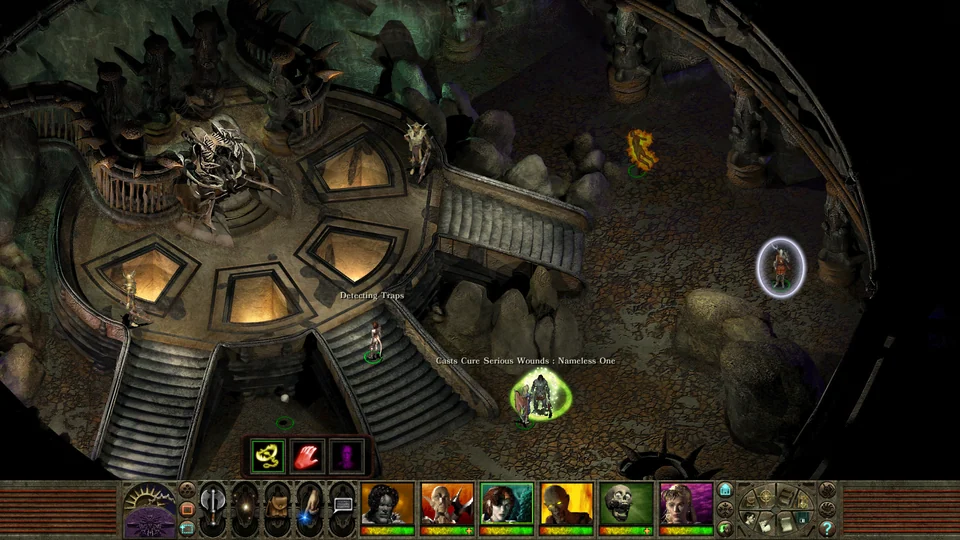
- 02 The Nameless One: The Weight of Infinite Regret in Planescape
- 03 Raziel: The Tragic Free Will of a Damned Wraith
- 04 Heather Mason: Vulnerability, Trauma, and Authenticity in Silent Hill 3
- 05 Senua: Psychosis, Grief, and Celtic Myth in Hellblade
- 06 Subject Delta: Silent Paternal Devotion in BioShock 2
- 07 Garrett: The Professional Cynic of the Shadows
- 08 Old Snake in Metal Gear Solid 4: The Aging Soldier Against Tomorrow
- 09 The Cultural Necessity of Complex Character Design
The Flawed Protagonist vs. The Power Fantasy
Commercial video game marketing has historically favored heroic protagonists designed for immediate player identification: unstoppable supersoldiers, witty action archetypes, and silent blank-slate avatars onto which consumers can project their fantasies of unchallenged dominance. These archetypes serve a clear commercial purpose by providing friction-free empowerment loops that cater to broad demographics.
However, the most enduring literary achievements in the interactive medium center on protagonists who resist easy admiration. These are characters burdened by catastrophic guilt, physical infirmity, moral hypocrisy, and severe psychological trauma. Rather than functioning as invincible conduits of power, they serve as lenses through which players explore existential dilemmas, societal decay, and personal accountability.
When game designers risk alienating players with difficult, deeply flawed protagonists, they elevate the medium's narrative boundaries. These characters do not merely defeat adversaries; they struggle against their own internal contradictions, creating profound emotional connections that outlive the transient thrill of mechanical victory.
The Nameless One: The Weight of Infinite Regret in Planescape
Black Isle Studios' Planescape: Torment (1999), written by Chris Avellone, introduced The Nameless One, an immortal being who has lived, died, and reincarnated thousands of times across the planes of the multiverse, losing his memories with each physical demise.
Psychological and literary depth of The Nameless One:
- The Archetype of Accumulated Sins: The Nameless One is not an innocent amnesiac searching for a lost past; he is an ancient moral catastrophe. As the player explores the sprawling, decaying city of Sigil, they gradually discover that past incarnations committed unspeakable atrocities: driving companions to madness, sacrificing entire worlds to evade mortality, and entrapping souls in eternal torment.
- Philosophy Subverting Combat: The game's narrative structure directly questions the central premise of role-playing games: What can change the nature of a man? The most significant confrontations in the game are resolved through dialogue choices, philosophical debate, and moral revelation rather than weapon strikes.
- Memory as an Inventory Item: The protagonist's physical body is covered in tattooed scars etched by past incarnations as desperate notes to their future selves. Recovering memories restores sensory trauma, forcing the player to confront the horrific human cost of their immortality.
Raziel: The Tragic Free Will of a Damned Wraith
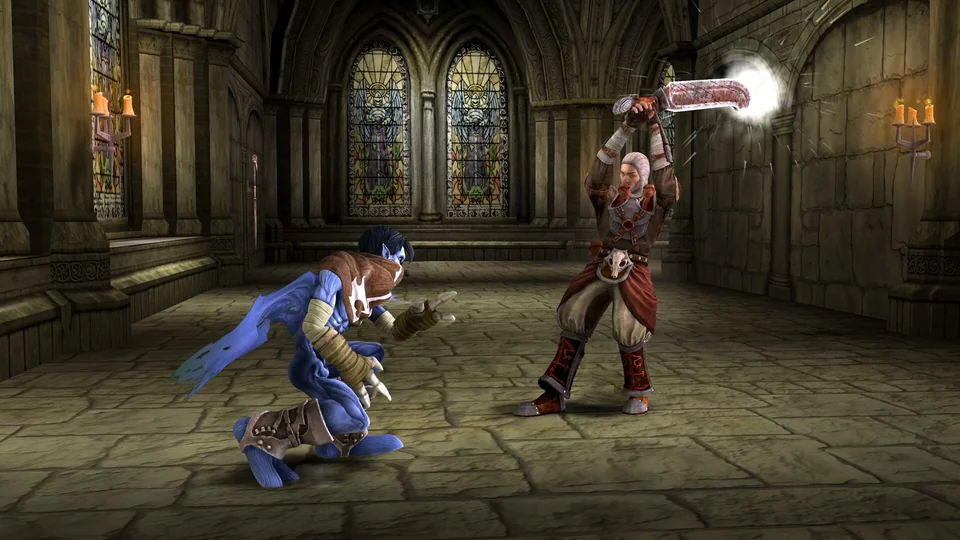
In Crystal Dynamics' Legacy of Kain: Soul Reaver (1999) and its sequels, directed and written by Amy Hennig, players take control of Raziel, a vampire lieutenant murdered by his jealous patriarch Kain and reanimated as a decaying soul-devouring wraith.
Narrative dimensions that define Raziel:
- Shakespearean Voice Acting and Poetic Register: Voiced by Michael Bell opposite Simon Templeman's Kain, Raziel's dialogue features archaic cadence, philosophical depth, and rhythmic tragedy rarely matched in video game writing.
- The Illusion of Destiny: Raziel embarks on a quest for vengeance, believing himself an instrument of divine justice guided by the mysterious Elder God. Over the course of the saga, he discovers that both he and Kain are trapped within a temporal paradox engineered by manipulative cosmic entities to deny them genuine free will.
- Physical Degradation: Raziel's jaw has been torn away, his angelic bat wings reduced to ragged skeletal appendages, and his vampire thirst replaced by the grotesque necessity of consuming human souls. His physical appearance embodies the horrific price of rebellion.
Heather Mason: Vulnerability, Trauma, and Authenticity in Silent Hill 3
Team Silent's Silent Hill 3 (2003), written by Hiroyuki Owaku, introduced Heather Mason, a seventeen-year-old high school student who represents one of the most authentically written young women in survival horror history.
Why Heather remains a landmark character study:
- Everyday Realism: Unlike sexualized action heroines common in early-2000s gaming, Heather dresses in practical clothes, speaks with sardonic teenage skepticism, and exhibits realistic terror, revulsion, and exhaustion when trapped within terrifying nightmare realms.
- The Metaphor of Bodily Autonomy: The game's psychological horror centers on forced reproduction, bodily invasion, and feminine trauma orchestrated by a sinister religious cult. Heather's struggle is fundamentally a desperate fight to reclaim ownership of her own body and identity from ancient patriarchal deities.
- Raw Grief and Vengeance: Following the devastating murder of her adoptive father Harry Mason, Heather's emotional trajectory shifts from defensive panic to cold, grief-fueled fury, delivering an unforgettable, deeply human performance.
Senua: Psychosis, Grief, and Celtic Myth in Hellblade
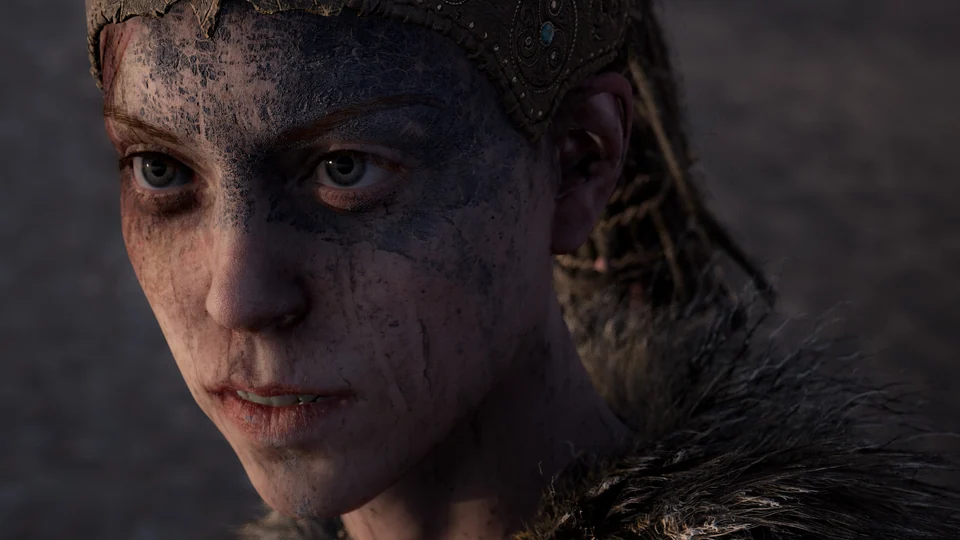
Ninja Theory's Hellblade: Senua's Sacrifice (2017), created under the direction of Tameem Antoniades in close collaboration with neuroscientists and individuals experiencing auditory hallucinations, brought unmatched psychological realism to video game character study.
The narrative architecture of Senua:
- Binaural Auditory Hallucinations: Senua hears constant overlapping internal voices—the Furies—recorded using specialized binaural 3D microphone arrays. These voices whisper contradictory advice, mocking her failures, warning of incoming enemy blade strikes, and reflecting her intense self-doubt.
- Grief Over External Conquest: Senua's journey into the Viking underworld of Helheim is not a crusade for territory or political glory; it is a desperate, heartbroken pilgrimage to rescue the soul of her murdered lover Dillion from eternal damnation.
- De-Stigmatizing Mental Illness: The game treats Senua's psychosis not as a demonic curse or a Hollywood trope, but as an integral part of her subjective reality, framing her courage in confronting both external monsters and internal agony.
Subject Delta: Silent Paternal Devotion in BioShock 2
2K Marin's BioShock 2 (2010), directed by Jordan Thomas, placed players into the heavy bronze diving suit of Subject Delta, an early prototype Big Daddy bonded through neuro-chemical conditioning to the Little Sister Eleanor Lamb.
Why Subject Delta transcends silent protagonist tropes:
- Paternal Stewardship Without Speech: Despite possessing zero spoken dialogue, Delta's character is defined entirely by his physical actions and moral choices. As he searches for Eleanor through the collapsing ruins of Rapture, his gentleness with rescued Little Sisters contrasts with his devastating mechanical strength against Splicers.
- The Reflection of Eleanor: Eleanor observes every ethical decision Delta makes—whether he executes or forgives corrupt citizens like Grace Holloway and Stanley Poole. In the climax, Eleanor adopts Delta's exact moral philosophy, proving that a parent's legacy is written in the ethics they demonstrate under pressure.
Garrett: The Professional Cynic of the Shadows
Looking Glass Studios' Thief: The Dark Project (1998) and Thief II: The Metal Age presented Garrett, a master thief trained by the secretive Keepers who renounced their monastic mysticism to pursue a career of mercenary burglary in a corrupt steampunk metropolis known simply as The City.
Key aspects of Garrett's understated characterization:
- Anti-Heroic Professionalism: Garrett does not harbor secret noble ambitions to save the world. He wants to pay his overdue rent, secure his fencing contacts, and avoid municipal city watch patrols. He views religious fanatics (the Hammerites and Pagans) with dry, cynical contempt.
- Mechanical Reinforcement of Character: Garrett's mechanical vulnerability directly reinforces his narrative identity. In direct sword combat, he is fragile and easily killed; his true power lies in patience, acoustic awareness, water arrows that extinguish torchlight, and vanishing into the shadows.
- Stephen Russell's Voice Performance: Russell delivered Garrett's internal monologues with laconic, deadpan delivery, establishing the benchmark for the cynical antihero decades before the trope became ubiquitous.
Old Snake in Metal Gear Solid 4: The Aging Soldier Against Tomorrow
Hideo Kojima subverted action protagonist tropes in Metal Gear Solid 4: Guns of the Patriots (2008) through Old Snake, an artificially accelerated aging clone whose physical body is breaking down. Snake groans with back pain when crouching too long, requires physical stress-reduction injections during battle, and endures grueling microwave corridor heat to upload a computer virus, turning the finale into a poignant meditation on human obsolescence.
The Cultural Necessity of Complex Character Design
When video games treat protagonists as complex human beings rather than frictionless commercial mascots, the emotional weight of player actions transforms entirely. Guiding a broken character like The Nameless One toward moral redemption, enduring tragic betrayal alongside Raziel, feeling Heather Mason's raw grief, navigating Senua's psychological storm, or sneaking across damp rooftops with Garrett proves that vulnerability and psychological flaws are the true engines of unforgettable storytelling.
In the sanctuary of digital history, these underappreciated heroes endure not because they were invincible, but because they dared to be deeply, beautifully, and tragically human, expanding the artistic horizons of the medium forever.