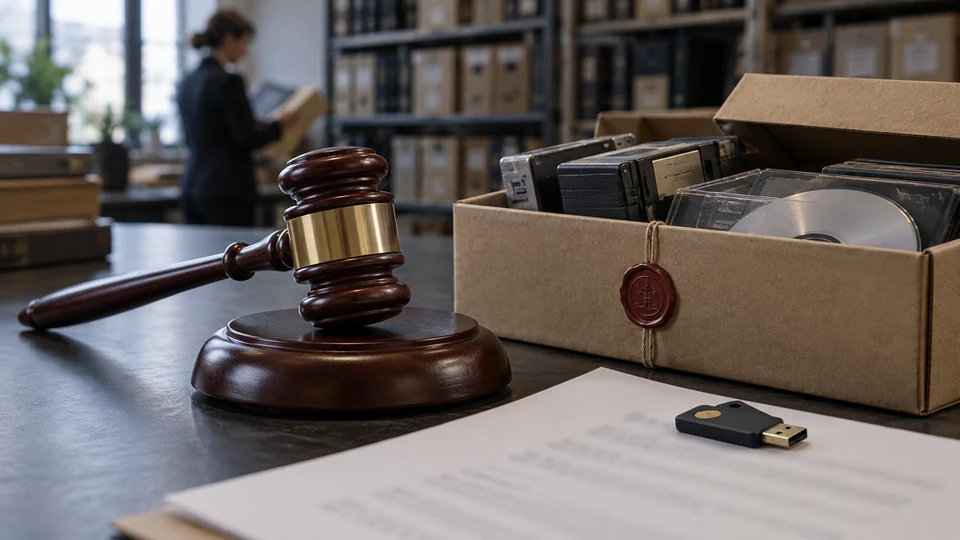
The Right to Preserve: Copyright Law, DMCA & Game Heritage
Table of Contents
- 01 The Legal Chasm Between Physical and Interactive Media
- 02 Section 1201 of the Digital Millennium Copyright Act and Anti-Circumvention
- 03 The Triennial Rulemaking Process and the Library of Congress
- 04 Software Preservation Network and Video Game History Foundation Petitions
- 05 Commercial Abandonment: The Myth and Reality of Abandonware
- 06 End User License Agreements and the Erosion of Software Ownership
- 07 Cloud Exclusivity and Server-Tethered DRM as Cultural Oblivion
- 08 International Copyright Harmonization: Japan, the European Union, and the United States
- 09 Constructing a Sustainable Legal Framework for Interactive Heritage
The Legal Chasm Between Physical and Interactive Media
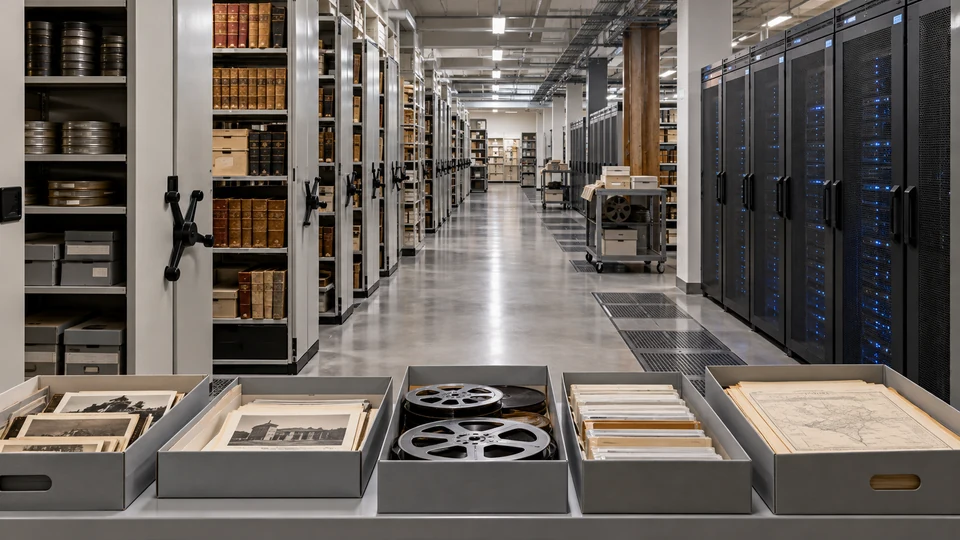
Libraries, museums, and educational institutions across the world operate under centuries of well-established legal protections. Under the First Sale Doctrine in United States copyright law (17 U.S.C. § 109) and the doctrine of exhaustion in the European Union, a public library that legally acquires a physical printed book or a DVD feature film possesses the absolute legal right to preserve it, catalog it, repair its binding, and lend it to registered researchers and patrons.
However, the rapid transition from physical cartridges to digital storefronts, proprietary cloud licenses, and server-tethered software has shattered this historical equilibrium. Modern video games are not sold; they are licensed under restrictive End User License Agreements (EULAs).
Furthermore, interactive software is wrapped in Technological Protection Measures (TPMs)—digital locks and encryption layers. In the eyes of modern intellectual property statutes, breaking a digital lock to save an out-of-print video game from permanent extinction is legally classified as a federal civil and potentially criminal offense, placing cultural archivists in direct conflict with corporate entertainment conglomerates.
Section 1201 of the Digital Millennium Copyright Act and Anti-Circumvention
Enacted by the United States Congress in 1998, Section 1201 of the Digital Millennium Copyright Act (DMCA) stands as the single greatest legal barrier to interactive digital preservation in modern history.
The draconian core of Section 1201:
- The Anti-Circumvention Provision: 17 U.S.C. § 1201(a)(1) states that 'No person shall circumvent a technological measure that effectively controls access to a work protected under this title.' Crucially, this prohibition applies regardless of whether the circumvention is conducted for a non-infringing Fair Use purpose, such as academic historical study, security auditing, or museum preservation.
- The Anti-Trafficking Provisions: Sections 1201(a)(2) and 1201(b)(1) make it illegal to manufacture, import, or distribute tools, code libraries, or hardware devices designed to bypass TPMs. This provision effectively criminalizes the creation and public sharing of reverse-engineering tools and optical drive emulators needed to study decaying media.
The Triennial Rulemaking Process and the Library of Congress

Recognizing that Section 1201 could stifle technological innovation and public scholarship, Congress mandated a safety valve: the Triennial Rulemaking Proceeding. Every three years, the Register of Copyrights and the Librarian of Congress hold public hearings to evaluate and grant temporary, narrow three-year exemptions to Section 1201's anti-circumvention restrictions.
The grueling triennial battlefield:
- The 2015 Preservation Exemption: Cultural heritage organizations won a historic victory in 2015 when the Library of Congress granted an exemption allowing non-profit institutions to bypass authentication servers on dead, server-dependent single-player video games to restore local playability.
- The 2018 Expansion: The exemption was expanded in 2018 to include abandoned multiplayer games, allowing archivists to reverse-engineer server communications for games with defunct commercial servers, provided the server emulation occurs on the physical premises of the institution.
Software Preservation Network and Video Game History Foundation Petitions
Despite incremental victories, video game preservation remains severely handicapped compared to traditional academic media. Institutions like the Video Game History Foundation (VGHF), founded by Frank Cifaldi, and the Software Preservation Network (SPN) have led the charge for true remote research equity.
The fight for remote archival access (The 2024 Rulemaking Battle):
- The Remote Access Crisis: Under current law, an academic researcher living in rural Texas or Western Europe who wishes to examine an out-of-print 1994 DOS game preserved at the Strong National Museum of Play in Rochester, New York, must physically travel across the continent to sit at a specific museum terminal.
- The 2023–2024 Petition: VGHF and SPN petitioned the Copyright Office for an exemption permitting accredited libraries and museums to stream out-of-print digital games remotely to verified academic researchers, mirroring existing remote loan systems for academic journals and books.
- The Copyright Office Denial: In October 2024, the Register of Copyrights recommended against the exemption, siding with corporate entertainment lobbyists and dealing a bitter blow to academic video game scholarship.
Commercial Abandonment: The Myth and Reality of Abandonware
Among gaming communities, the concept of abandonware has existed for decades as a popular ethical defense for downloading out-of-print software. However, under statutory copyright law, abandonware is a complete legal fiction.
Legal realities of out-of-print software:
- Copyright Duration: In the United States, works made for hire published after 1978 enjoy copyright protection for 95 years from the date of publication or 120 years from creation. A video game published in 1990 will remain under exclusive commercial copyright until the year 2085.
- The Orphan Works Crisis: Many classic games are 'orphan works'—software whose original corporate copyright holder went bankrupt, merged, or dissolved without clear asset disposition. If an archivist wants to purchase licensing rights to preserve or re-release an orphan game, it is legally impossible to determine who owns the rights, leaving the software in legal limbo.
- Selective Enforcement: Abandonware sites exist purely through publisher indifference or enforcement inertia, not statutory protection. At any moment, a corporate entity can issue DMCA takedown demands or launch copyright litigation against community archives.
End User License Agreements and the Erosion of Software Ownership
The modern video game industry has fundamentally altered the philosophical nature of property. When consumers purchase a game on modern digital storefronts, they purchase a revocable license to access a service rather than personal property.
Consequences of the license economy:
- Silent Digital Revocation: When Ubisoft shut down The Crew in 2024, they revoked player licenses and removed the game executable from digital libraries, disabling single-player mode.
- The Death of Resale: Unlike physical books and cartridges, digital game licenses cannot be legally resold on secondary markets, donated to public municipal libraries, or bequeathed to heirs.
- Unilateral Corporate Hegemony: Publishers reserve the contractual right to alter, patch, or permanently decommission software at their unilateral discretion without refund.
Cloud Exclusivity and Server-Tethered DRM as Cultural Oblivion
The rise of cloud gaming services (Xbox Cloud Gaming, PlayStation Plus Cloud Streaming, GeForce NOW) and always-online digital rights management (DRM) represents the ultimate nightmare for interactive cultural preservation.
When a game is rendered exclusively on remote publisher server farms and streamed as a compressed H.264/H.265 video feed to the consumer:
- Zero Local Binary Data: There is no local client executable, no uncompressed 3D mesh files, no audio banks, and no shader code residing on player hardware.
- Total Archival Impossibility: When a cloud-exclusive game is decommissioned by its publisher, it leaves behind zero digital forensic traces. No packet sniffer or reverse engineering tool can resurrect software that never existed on local user memory, resulting in instantaneous, permanent cultural extinction.
International Copyright Harmonization: Japan, the European Union, and the United States
Different legal jurisdictions take divergent approaches to software preservation, highlighting global legal friction.
Comparative international legal landscape:
- The European Union (Directive 2009/24/EC): EU law explicitly protects the right of legitimate software users to observe, study, or test the functioning of software (reverse engineering) to determine its underlying principles and achieve interoperability, providing stronger foundational rights than US law.
- Japan (Copyright Act Amendments): In recent years, Japan has introduced severe criminal penalties for modifying save data or providing tools that bypass console security locks, creating a restrictive legal environment for hardware modders and emulator authors.
- Cross-Border Archival Friction: Digital preservation repositories operating globally must navigate conflicting international copyright treaties (such as the WIPO Copyright Treaty), risking jurisdictional lawsuits when sharing digital archival catalogs across borders.
Constructing a Sustainable Legal Framework for Interactive Heritage
If humanity is to preserve its interactive cultural heritage, copyright law must undergo urgent, structural reform. Just as cinema established the National Film Registry and print established national deposit libraries, video games require statutory recognition as protected cultural artifacts.
Essential legal reforms for video game preservation:
- Statutory Non-Profit Archival Exemption: Permanently exempt accredited non-profit libraries, museums, and educational archives from Section 1201 TPM anti-circumvention liability for preservation purposes.
- Mandatory Source Deposit for Server Games: Establish legal deposit requirements where commercial publishers of online-only games must deposit server architectures and documentation with national archives under embargo, releasing them for public study once commercial operation ceases.
- Legalization of Remote Scholarly Streaming: Permit accredited cultural institutions to provide remote, non-commercial streaming access of out-of-print interactive titles to authenticated scholars and students.
Without these vital legal protections, hundreds of thousands of digital worlds, stories, and human creative achievements will slip quietly beneath the waves of commercial obsolescence, lost to future generations forever.