Hostile Virtual Worlds: Harsh Environments & Survival
Table of Contents
- 01 The Mechanics of Environmental Hostility
- 02 The Long Dark: Sub-Zero Solitude and the Great White Silence
- 03 Frostpunk: City-Scale Survival Against Absolute Zero
- 04 Subnautica: Hydrostatic Terror in the Abyssal Void
- 05 Green Hell: Microscopic Biological Warfare in the Amazon
- 06 Kenshi: The Indifference of a Post-Civilization Wasteland
- 07 Death Stranding: Topography and Chiral Precipitation
- 08 The Resilience of the Human Spirit in Hostile Code
The Mechanics of Environmental Hostility
In traditional action game design, enemies are represented as discrete artificial intelligence agents: soldiers, monsters, or robotic drones with health meters and weapon hitboxes. In survival simulations and environmental horror, however, the primary antagonist is the environment itself. The world is not a passive stage on which combat occurs; it is an aggressive thermodynamic entity actively attempting to freeze, suffocate, poison, or crush the player.
Engineers of hostile worlds transform physics and biology into gameplay systems:
- Thermodynamic Degradation: Simulating caloric burn, core body temperature loss, and dehydration rates using mathematical differential equations that scale with wind chill, precipitation, and physical exertion.
- Atmospheric Toxicity: Modeling oxygen consumption, barometric pressure, and airborne toxic particulates that degrade filtration equipment in real time.
- Terrain Instability: Implementing dynamic snow accumulation, ice shelf cracking, mud drag friction, and steep topographical sliding physics that transform simple navigation into an endurance test.
- Resource Decay Curves: Making harvested water freeze, cooked rations rot, and physical tools shatter, preventing players from establishing comfortable resource surpluses.
When an environment is genuinely hostile, surviving a five-minute walk across an open tundra feels more harrowing and triumphant than defeating a traditional boss encounter.
The Long Dark: Sub-Zero Solitude and the Great White Silence
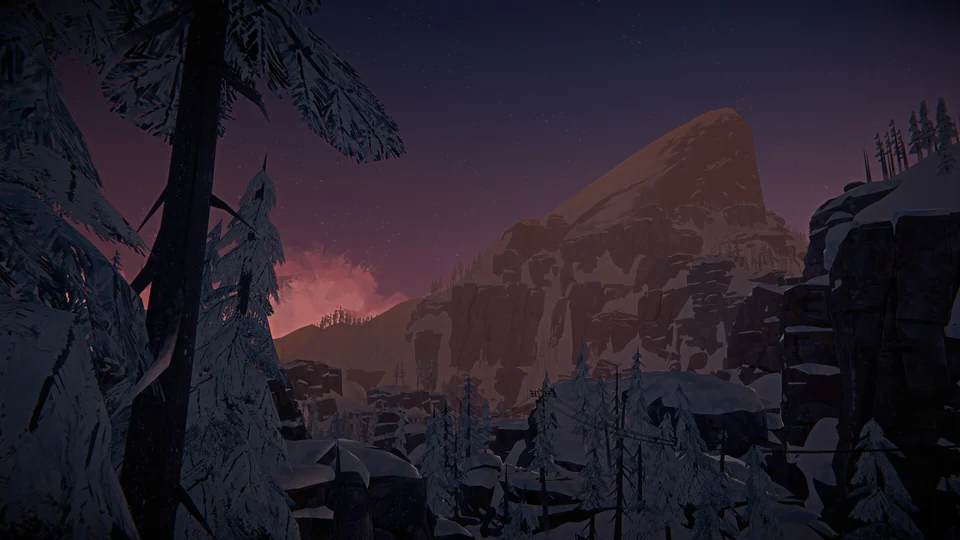
Hinterland Studio's The Long Dark is widely celebrated as the purest realization of environmental survival in modern gaming. Set in the frozen wilderness of northern Canada following a geomagnetic disaster, the game contains no zombies, no aliens, and no human adversaries. The player's sole antagonist is the relentless, brutal Canadian winter.
The technical brilliance of The Long Dark's survival systems:
- Dynamic Multi-Layer Thermal Simulation: The game models clothing warmth and wind-proofing across inner and outer garment layers. If the player falls through thin lake ice, clothes become saturated, accelerating hypothermia exponentially until garments are removed and dried beside an active fire.
- Wind Chill Vectors: Wind speed dynamically compounds ambient air temperatures. A relatively mild minus five degrees Celsius becomes minus twenty-five when gale-force winds sweep across an exposed coastal highway.
- The Threat of Blinding Whiteouts: Sudden blizzards reduce visibility to less than two meters, disorienting the player and drowning out landmarks. Wandering five meters off a familiar trail during a whiteout frequently results in fatal disorientation and freezing to death within sight of shelter.
- Wildlife Predation as an Environmental Factor: Wolves and timberwolves do not act as arcade monsters; they behave as desperate, starving predators driven by territory lines and scent vectors carried by prevailing wind patterns.
Frostpunk: City-Scale Survival Against Absolute Zero
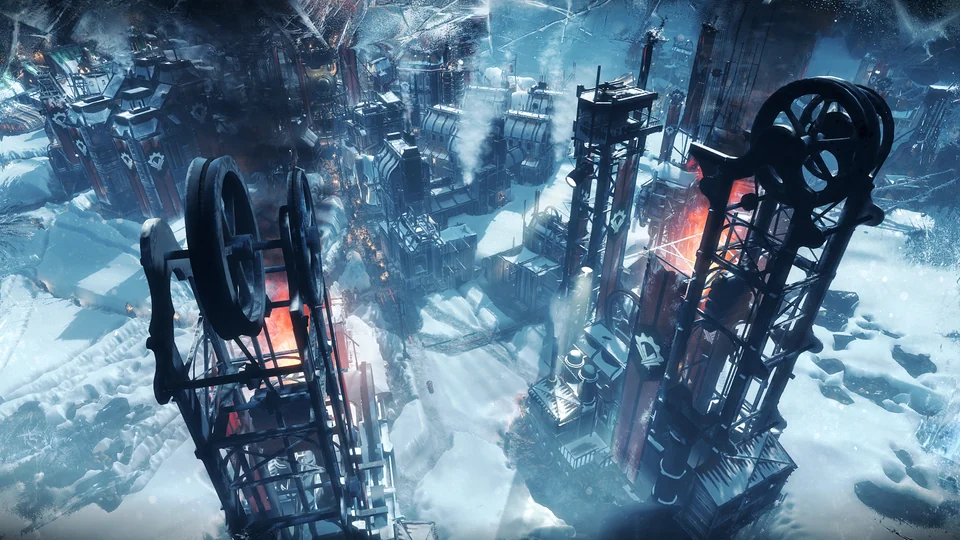
11 bit studios elevated environmental hostility from individual character survival to municipal civil engineering in Frostpunk. Set during an alternate 1886 volcanic ice age, players manage the last surviving human settlement huddled around a massive coal-fired thermal generator as temperatures steadily plunge from minus twenty to minus one hundred and twenty degrees Celsius.
Systems driving Frostpunk's apocalyptic chill:
- Thermal Heat Mapping: The city grid is visualized through a real-time thermal gradient shader. Buildings placed outside the generator's steam heat zones freeze, causing widespread frostbite, amputations, and hospital overcrowding.
- Social Friction Under Environmental Extremes: As the cold deepens, players must enact severe legislative decrees: child labor in coal mines, rationing food with sawdust additive, or instituting religious authoritarianism to stave off collective panic.
- The Great Storm: The narrative climax subjects the city to a catastrophic blizzard dropping to absolute zero limits. The generator groans under maximum overdrive pressure, coal stockpiles evaporate, and players watch district heating fail one building at a time, testing their moral compromises against raw thermodynamic reality.
Frostpunk demonstrates that extreme environmental pressure erodes ethical boundaries, forcing leaders to weigh individual human dignity against the survival of the collective species.
Subnautica: Hydrostatic Terror in the Abyssal Void
Unknown Worlds Entertainment took environmental hostility into the ocean depths in Subnautica. Stranded on an alien aquatic world designated Planet 4546B, players transition from shallow, sunny tropical coral reefs down into crushing, pitch-black abyssal trenches.
Mechanisms of aquatic hostility:
- Hydrostatic Crush Depth: Submersible vehicles and diving suits have explicit pressure tolerance ratings. Navigating beyond designated crush depths triggers structural hull breaches, flooding cabins and drowning electronic guidance systems.
- Sensory Deprivation: In the deep ocean trenches—such as the Grand Reef and the Lava Lakes—natural sunlight completely fails to penetrate. The player must rely on artificial spotlights and sonar pulses, catching fleeting glimpses of colossal predatory leviathans circling in the murky gloom.
- Psychological Thallasophobia: The game weaponizes the innate human terror of the abyss. Staring down into a vertical ocean void where the sea floor drops four thousand meters into blackness induces genuine vertigo and vulnerability.
- Oxygen Economy and Ascent Pressure: The player must perpetually calculate gas consumption against descent depth, knowing that panicked vertical ascents to escape predators can deplete remaining reserves seconds before reaching life-giving air.
Green Hell: Microscopic Biological Warfare in the Amazon
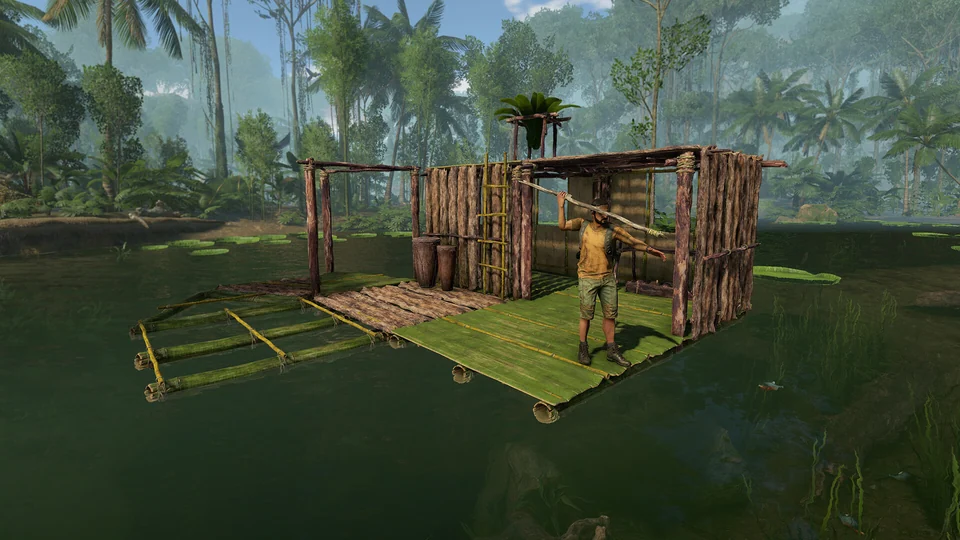
Creepy Jar's Green Hell demonstrates that environmental hostility can operate at the microscopic and psychological scale. Stranded within the Amazon rainforest, the jungle attacks the player through biological infection rather than blunt physical trauma.
Innovative biological survival systems in Green Hell:
- Macro-Nutrient Metabolism: The player's watch tracks four separate nutritional balances: carbohydrates, proteins, fats, and hydration. Eating unbalanced rations causes metabolic exhaustion, degrading stamina and reaction times.
- Parasitic and Wound Infection Trees: Leech infestations, venomous snake bites, and lacerations from thorny undergrowth can develop into necrotic flesh wounds if untreated with antiseptic dressings. The player must physically inspect limbs using a rotational body-examination camera.
- Psychological Insanity System: Loneliness, auditory hallucinations from sleeping on damp ground, and eating uninspected mushrooms reduce sanity, manifesting phantom tribal warriors who attack the player in sensory-distorted combat encounters.
Kenshi: The Indifference of a Post-Civilization Wasteland
Chris Hunt's Kenshi presents a masterclass in sociopolitical and geographic hostility. Set on an arid, post-apocalyptic moon ravaged by fallen civilizations, Kenshi refuses to grant the player special protagonist status.
Hostile features of the Great Desert and beyond:
- Complete Algorithmic Indifference: The world does not scale to player level. Starving bandit swarms will beat you unconscious for a loaf of bread, slaver caravans will clamp iron shackles on your ankles and march you to quarry mines, and cannibal factions will carry injured squad members to wooden butcher poles.
- Biome Hazards: Exploring the Ashlands involves dodging burning orbital laser beams and toxic acidic downpours that melt biological skin. Surviving requires robotic cybernetic limb replacements and protective heavy dustcoats.
- Emergent Resilience: Players do not level up through triumphant victories, but through surviving catastrophic beatings, training toughness stats by enduring trauma and crawling back to safety on broken legs.
Death Stranding: Topography and Chiral Precipitation
Kojima Productions turned terrestrial terrain into an aggressive adversary in Death Stranding (2019). Playing as porter Sam Porter Bridges, players navigate a fractured post-apocalyptic America where the primary gameplay loop centers on cargo balance, boot wear, and topographical friction.
Hostile systems in Death Stranding:
- Procedural Topography and Weight Physics: Every rock, stream, and grassy slope affects the protagonist's center of mass. Carrying heavy cargo crates shifts inertia, requiring players to squeeze trigger buttons to stabilize straps and prevent catastrophic tumbling.
- Timefall: The supernatural rain that accelerates biological aging and rusts metal containers on contact. Players must continuously spray container repair fluid or locate natural cliff overhangs to shelter delicate payloads from corrosive precipitation.
- The Solitary Struggle: The game transforms traversal itself into a thrilling battle against planetary geology, proving that a rocky mountain pass can challenge players just as fiercely as any armed militia.
The Resilience of the Human Spirit in Hostile Code
Why do millions of players voluntarily subject themselves to environments engineered to break their spirits? The answer lies in the profound satisfaction of hard-won mastery. In a world designed to be easy and frictionless, stepping into an unforgiving virtual crucible tests strategic planning, resource conservation, and mental grit.
Surviving a brutal blizzard in The Long Dark, keeping the generator alive through the final freeze in Frostpunk, or piloting an exploration sub safely back to the surface in Subnautica provides an authentic sense of triumph that easy power fantasies can never replicate. Hostile virtual worlds remind us of human fragility—and our stubborn capacity to endure against impossible thermodynamic odds.