Top 10 PlayStation 1 & 2 Games: Five Classics from Each Console
Table of Contents
- 01 The 32-Bit and 128-Bit Architectural Shifts: From CD-ROM to Emotion Engine
- 02 PlayStation 1: Five Architectural Masterpieces
- 03 1. Final Fantasy VII (1997)
- 04 2. Metal Gear Solid (1998)
- 05 3. Resident Evil 2 (1998)
- 06 4. Gran Turismo 2 (1999)
- 07 5. Castlevania: Symphony of the Night (1997)
- 08 PlayStation 2: Five Landmarks of the 128-Bit Era
- 09 6. Grand Theft Auto: San Andreas (2004)
- 010 7. Shadow of the Colossus (2005)
- 011 8. God of War II (2007)
- 012 9. Okami (2006)
- 013 10. Gran Turismo 4 (2004)
- 014 Optical Degradation and Vector Unit Emulation Challenges
The 32-Bit and 128-Bit Architectural Shifts: From CD-ROM to Emotion Engine
The ten titles curated below—five canonical masterworks from PlayStation 1 and five technological monuments from PlayStation 2—illustrate the artistic maturation of three-dimensional interactive space. From polygonal survival horror and tactical espionage to sweeping open-world sandboxes and minimalist architectural phenomenology, these games permanently redefined the cinematic and computational boundaries of the medium.
PlayStation 1: Five Architectural Masterpieces
The original PlayStation library proved that real-time 3D polygons could sustain mature cinematic storytelling, psychological depth, and unprecedented acoustic richness. The five titles below represent the pinnacle of PS1 software engineering.
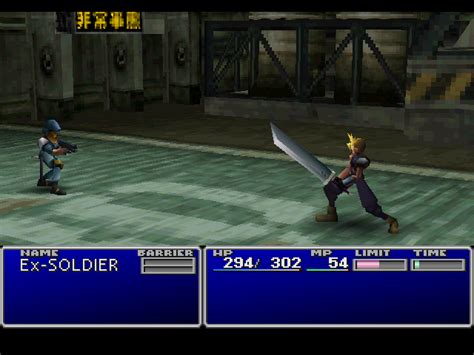
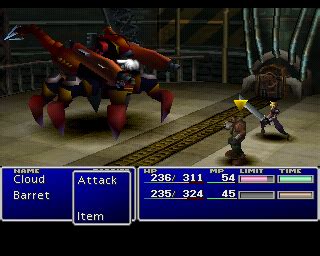
1. Final Fantasy VII (1997)
- Primary Objective: Join the resistance group AVALANCHE, dismantle Shinra's mako energy exploitation, and track Sephiroth to prevent the planetary impact of Meteor.
- Core Protagonists & Adversaries: Cloud Strife, Aerith Gainsborough, Tifa Lockhart, Barret Wallace, Red XIII, Vincent Valentine, facing corporate executives and Sephiroth.
- Mechanical Architecture & Spatial Design: The game introduced the versatile Materia customization architecture: magical crystallized orbs slotted into gear, granting spells, stat alterations, summon invocations, and passive link abilities that allowed endless tactical experimentation.
Exploring Midgar—with gleaming upper plates contrasting sharply against lower slums—established an unforgettable architectural hierarchy. Nobuo Uematsu's majestic score provided the emotional heartbeat for tragic character arcs and dramatic twists that permanently redefined narrative expectations in video games.
2. Metal Gear Solid (1998)
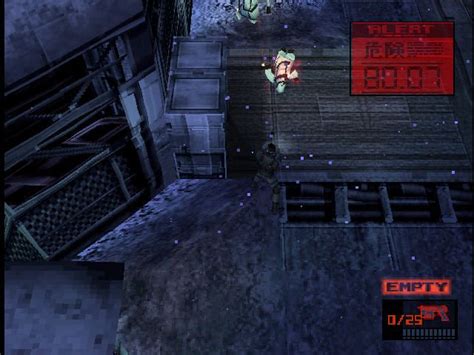
Metal Gear Solid broke the fourth wall with brilliant audacity: boss Psycho Mantis famously read memory card save files from other Konami games and forced players to plug their controller into port two. With fully voiced dialogue and taut cinematic direction, it elevated games into high drama.
3. Resident Evil 2 (1998)
- Primary Objective: Escape zombie-infested Raccoon City, navigate the labyrinthine Police Department precinct, infiltrate Umbrella's subterranean lab, and rescue Sherry Birkin.
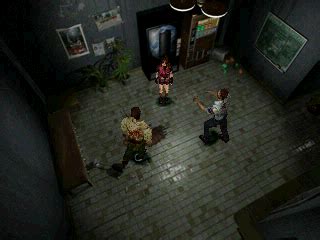
- Core Protagonists & Adversaries: Rookie cop Leon S. Kennedy and college student Claire Redfield, battling undead hordes, grotesque Lickers, and the mutating bioweapon William Birkin.
- Mechanical Architecture & Spatial Design: The "Zapping System" linked two game discs into four distinct playthrough permutations (Leon A/Claire B, Claire A/Leon B).
The police station remains an architectural masterpiece of survival horror: locked ornate doors, barricaded windows, and acoustic corridors where distant moans induce psychological dread. Restrictive inventory grids and scarce ammunition demanded careful route planning and meticulous resource conservation.
4. Gran Turismo 2 (1999)
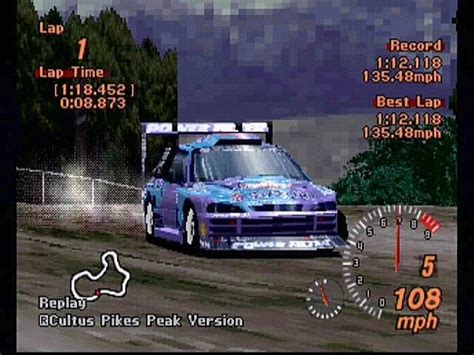
- Primary Objective: Progress from modest street cars to professional grand touring championships, earn precision driving licenses, and amass vehicle collections in GT Mode simulation.
- Core Protagonists & Adversaries: The driver competing against calibrated AI vehicle rosters in grueling endurance cups, rally stages, and manufacturer one-make events.
- Mechanical Architecture & Spatial Design: Polyphony Digital programmed a bespoke physics engine calculating tire contact patch grip, spring dampening, differential gear ratios, weight transfer inertia, and aerodynamic downforce under realistic conditions.
Gran Turismo 2 served as a digital automotive encyclopedia. Players acquired license certifications, upgraded suspension geometries and exhaust manifolds, and tested handling across legendary tarmac and dirt tracks, setting the benchmark for simulation integrity on consumer hardware.
5. Castlevania: Symphony of the Night (1997)
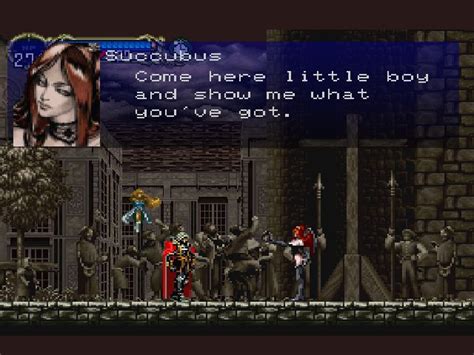
Directed by Toru Hagihara and assistant director Koji Igarashi, Symphony of the Night rebelled against the industry's rush toward crude early 3D polygons by dedicating the 32-bit PlayStation's memory bandwidth to exquisite 2D sprite artistry, fluid animations, and CD-quality redbook audio.
- Primary Objective: Infiltrate the demonic castle of Count Dracula as his dhampir son Alucard, unravel the disappearance of Richter Belmont, and purge the castle of ancient darkness.
- Core Protagonists & Adversaries: Alucard, supported by vampire hunter Maria Renard, confronting the dark priest Shaft, Death, and the resurgent Lord of Darkness Count Dracula.
- Mechanical Architecture & Spatial Design: Symphony of the Night married action platforming with deep RPG mechanics: Alucard gains levels, equips hundreds of weapons, and learns arcane spells. Mobility relics—Bat form, Mist transformation, Gravity Boots—unlock previously impassable architecture.
PlayStation 2: Five Landmarks of the 128-Bit Era
The PlayStation 2 pushed console gaming into a mature computational era where vast open horizons, nuanced physical simulation, and emotive artistic minimalism became interactive reality. Below are five seminal achievements that defined the PS2 era.
6. Grand Theft Auto: San Andreas (2004)
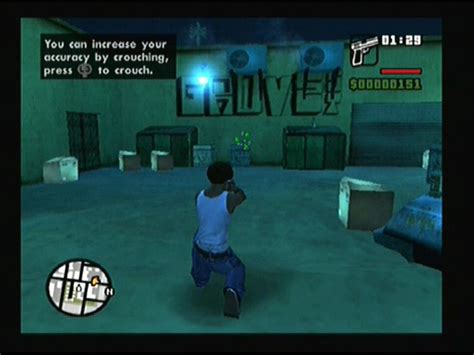
- Primary Objective: Guide Carl "CJ" Johnson through his return to Los Santos, rebuild the Grove Street Families, survive betrayal, and seize control of criminal empires statewide.
- Core Protagonists & Adversaries: Carl Johnson, Sweet Johnson, Big Smoke, Ryder, Officer Frank Tenpenny, and government operative Mike Toreno.
- Mechanical Architecture & Spatial Design: The game introduced dynamic RPG physiological mechanics: CJ's stamina, muscle density, and body fat altered based on diet and exercise. Players piloted bicycles, muscle cars, jetpacks, and aircraft across a seamless streaming world.
Streaming vast geometric landscapes, synchronized radio stations, ambient traffic, and pedestrian AI from a single DVD-ROM required miraculous caching optimizations. San Andreas established an open-world benchmark that captivated an entire generation.
7. Shadow of the Colossus (2005)
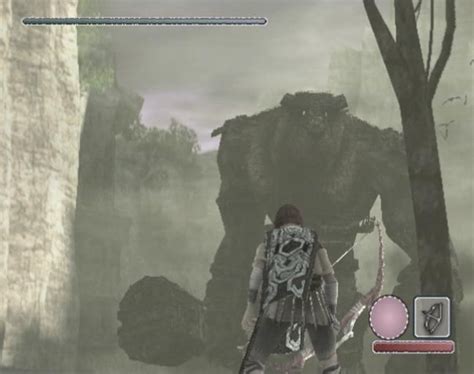
Directed by Fumito Ueda and Team Ico, Shadow of the Colossus applied the philosophy of "design by subtraction," discarding towns, shops, NPCs, and dungeon fodder to focus entirely on sixteen monumental confrontations across an eerie, windswept forbidden wasteland.
- Primary Objective: Ride across the Forbidden Lands, seek out sixteen ancient Colossi roaming the wild topography, slay each colossal titan, and resurrect the sacrificed maiden Mono.
- Core Protagonists & Adversaries: Wander, his devoted steed Agro, the mysterious disembodied voice Dormin, and sixteen unique, biomechanical Colossi composed of stone, earth, and moss.
- Mechanical Architecture & Spatial Design: Each colossus is a moving architectural puzzle platform. Wander must use his grip gauge to scale shifting fur coats, vault across stone terraces, and maintain balance while titans shake their bodies violently hundreds of feet in the air.
8. God of War II (2007)
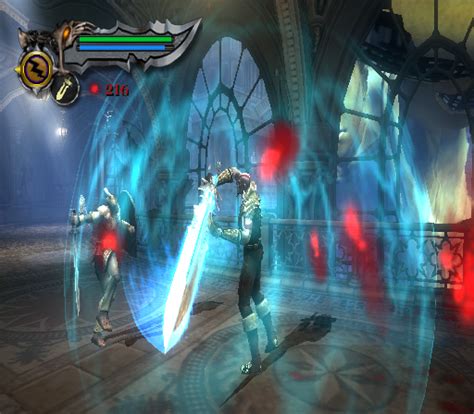
- Primary Objective: Command betrayed Spartan warrior Kratos as he ascends from Hades, journeys across mythological Greece, and reaches the Sisters of Fate to destroy Zeus.
- Core Protagonists & Adversaries: The Ghost of Sparta Kratos, the titan Gaia, Athena, the Sisters of Fate, and Olympian gods spearheaded by Zeus.
- Mechanical Architecture & Spatial Design: God of War II perfected character action choreography: Kratos cancels normal blade combos into acrobatic dodges, grabs, sub-weapons, and aerial launches, supplemented by visceral Quick Time Event executions.
The environmental scale remains staggering: battle arenas take place on the moving backs of monumental Titans trudging through mountain ranges. Barlog's team mastered the PS2's Vector Units to deliver zero-load-screen streaming and jaw-dropping draw distances.
9. Okami (2006)
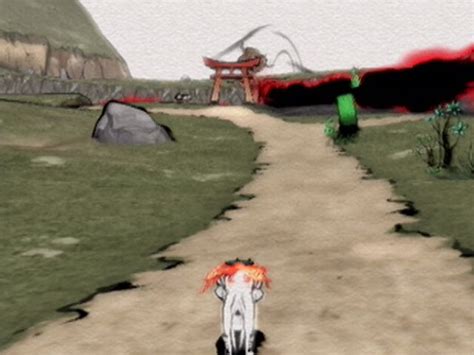
Directed by Hideki Kamiya and Clover Studio, Okami stands as one of the most visually distinctive games ever made. Emulating traditional Japanese Sumi-e ink wash painting, it transformed the screen into a living watercolor scroll chronicling ancient Shinto mythology.
- Primary Objective: Awaken as sun goddess Amaterasu in the form of a white wolf, journey across cursed Nippon, eradicate the demonic blight of Orochi, and restore blooming life to nature.
- Core Protagonists & Adversaries: Sun goddess Amaterasu, miniature companion artist Issun, legendary warrior Susano, and mythical fiends including Orochi and Ninetails.
- Mechanical Architecture & Spatial Design: The core breakthrough is the Celestial Brush: pressing a shoulder button pauses time and turns the screen into parchment. Players draw calligraphic ink strokes with the analog stick to slash obstacles, summon wind, and cause withered trees to bloom.
10. Gran Turismo 4 (2004)
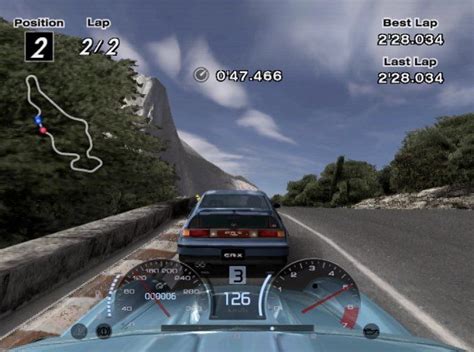
Representing the absolute zenith of simulation on PlayStation 2, Polyphony Digital's Gran Turismo 4 rendered over seven hundred detailed vehicles from eighty manufacturers across fifty-one tracks, with optional 1080i high-definition component video output.
- Primary Objective: Attain prestigious international racing licenses, compete in professional endurance cups, master rally stages, and collect the most comprehensive garage in gaming history.
- Core Protagonists & Adversaries: The dedicated driver competing against advanced AI racing lines or serving as team manager in strategic B-Spec tactical mode.
- Mechanical Architecture & Spatial Design: Yamauchi's team rewrote the vehicular physics engine from the ground up, modeling chassis flex, tire compound thermal degradation, brake bias balance, and aerodynamic turbulence.
Optical Degradation and Vector Unit Emulation Challenges
Preserving the 32-bit and 128-bit PlayStation archives poses complex hardware engineering and emulation dilemmas:
- Optical Drive Degradation: PS1 and PS2 optical assemblies suffer from capacitor aging, laser diode dimming, and spindle motor wobble. Modern preservation relies on Optical Drive Emulators (ODEs) like XStation and HDD network loading to bypass failing mechanical drives entirely.
- Complex Vector Unit Emulation: Emulating the PS2's Emotion Engine and twin Vector Units (VU0/VU1) requires cycle-accurate floating-point timing calculations.
Through dedicated open-source emulation refinement, cycle-accurate hardware recreation, and bit-perfect optical disc image preservation, the breathtaking leaps of the PlayStation legacy remain immortalized for future interactive scholars.